A rising water bill, a warm spot on your floor, or the sound of running water when every tap is off can indicate a slab leak. Non-invasive slab water leak detection finds that leak using electronic listening and thermal imaging, so no one has to guess where to cut first.
This article walks you through the slab water leak detection process, explains why the method you choose matters before repair begins, and shows how The Leak Geeks confirms a diagnosis in Columbia, SC, without unnecessary demolition.
Non-invasive slab leak detection uses electronic equipment to pinpoint a leak beneath your foundation before any cutting happens, helping limit unnecessary damage and repair costs
Non-Invasive Slab Leak Detection Simply Explained
Slab water leak detection locates a leak through sound, temperature, and pressure signals instead of exploratory demolition.
What Non-Invasive Slab Leak Detection Means
Non-invasive slab leak detection is a diagnostic process that finds a water leak under a concrete foundation without opening the slab first. A technician uses electronic listening equipment to isolate the sound of escaping water. Pressure testing and thermal imaging then confirm the exact location.
This matters at scale too, since household leaks nationwide waste nearly one trillion gallons of water every year, according to the U.S. EPA WaterSense program.
How the Detection Process Works, Step by Step
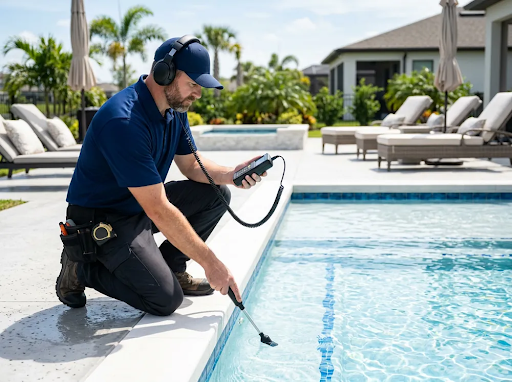
A technician isolates the plumbing system first to narrow the search area. Electronic listening equipment picks up the leak's acoustic signature through the slab. Thermal imaging maps temperature differences from escaping hot or cold water, and pressure testing confirms which line has failed.
Only after the location is clear does any physical work begin, and often that work is a small opening rather than a full excavation.
The traditional approach required cutting a long trench across the suspected pipe run, and contractors sometimes tore out flooring in more than one room because no reliable way existed to confirm the exact leak point in advance.
Slab water leak detection replaces that guesswork with a confirmed diagnosis, which is also why federal housing standards treat a lingering plumbing leak as an urgent issue.
Why Detection Method Matters to Columbia, SC, Homeowners
Choosing the right slab water leak detection method affects how much your foundation is disturbed, how long repair takes, and what the final bill looks like.
The Cost or Consequence of Unnecessary Slab Cutting
Cutting into a slab without a confirmed leak location risks opening the wrong section of foundation. That mistake adds cost and repair time without solving the problem. Every unnecessary cut also means more flooring, tile, or concrete restoration once repair finishes.
The Michigan Department of Environment, Great Lakes, and Energy reports that the average household leaks nearly 10,000 gallons of water per year, citing EPA data. A delayed or incorrect diagnosis compounds both water loss and repair cost while the leak continues.
The Benefit of Confirming the Leak Location First
Confirming the leak's exact location before cutting keeps repair focused on one section of pipe instead of an entire room.
Spot repair, pipe rerouting, and epoxy pipe lining all become viable once the leak is verified, and each option avoids the scale of demolition that guesswork would require.
Common Misconceptions About Slab Leak Detection
Homeowners searching for slab water leak detection often assume it always means major demolition and multiple contractors, and neither assumption holds up in practice.
Misconception 1: All Slab Leaks Require Cutting Open the Foundation
Contractors only needed to cut the foundation when detection technology could not confirm a leak's exact location. Electronic listening equipment, thermal imaging, and pressure testing now narrow that location before any tool touches the concrete. Many slab leaks get repaired through one small, targeted opening instead of a full trench.
Misconception 2: Detection and Repair Need Separate Companies
Splitting detection and repair between two companies means paying for a second diagnosis and coordinating two schedules. You also have to hope the repair company agrees with the first company's findings. The Leak Geeks handles slab leak detection and slab leak repair under one roof, so the technician who finds the leak stays accountable for fixing it.
How The Leak Geeks Helps With Non-Invasive Slab Leak Detection
For slab water leak detection, The Leak Geeks combines Leaktronics-certified equipment with decades of construction knowledge to confirm a leak before any repair decision.
The Leaktronics-Certified, Non-Invasive Process
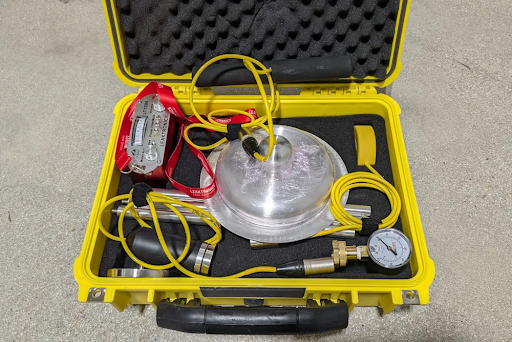
The Leak Geeks uses Leaktronics-certified electronic listening equipment, line isolation and pressure testing, and thermal imaging to confirm a slab leak's exact location. The Leak Geeks is also a licensed and insured service provider in South Carolina.
An engineering background combined with more than 40 years of construction experience backs that process, so the diagnosis accounts for how a Columbia-area home was actually built, not just where a sound signal points.
What Happens During a Slab Leak Detection Visit
A technician arrives, isolates the plumbing system, and runs electronic and thermal testing to pinpoint the leak before discussing repair options with you. Homeowners consistently point to that clarity as the difference-maker.
As one Google review puts it, "Wow. What a great experience! I was blown away by the professionalism and Ray's ability to find the leak. Don't go anywhere else! One call and the leak is found." That same technician then handles the repair, so you never have to coordinate a second company once the leak is confirmed.
Frequently Asked Questions
Q1. Does Non-Invasive Slab Water Leak Detection Work on All Slab Types?
Electronic listening, thermal imaging, and pressure testing can help locate leaks beneath concrete slab foundations. The specific tool combination depends on the plumbing system and home layout. The specific tool combination depends on the plumbing material and home layout, which the initial visit confirms.
Q2. How Long Does Non-Invasive Slab Leak Detection Take?
Most non-invasive slab leak detection visits wrap up in a single appointment. The equipment isolates and confirms the leak location in real time rather than requiring exploratory cutting across multiple visits.
Q3. Is Slab Cutting Ever Necessary After Detection?
Yes, repair often needs a small opening to reach the confirmed leak point. Non-invasive detection limits that opening to the verified location instead of an exploratory trench.
Q4. How Much Does Non-Invasive Slab Leak Detection Cost in Columbia, SC?
Slab leak detection and repair pricing depends on the leak's location and the repair method needed. The Leak Geeks provides a free, no-obligation quote within 24 hours so you know the cost before committing to repair.
Get a Confirmed Diagnosis Before You Commit to Repair
Request Your Free Slab Water Leak Detection Quote Today
Non-invasive slab water leak detection gives you a confirmed answer before any cutting decision, protecting your foundation, your flooring, and your budget.
The Leak Geeks pairs Leaktronics-certified equipment with decades of construction experience to find the leak and fix it under one roof, so you never coordinate separate companies for detection and repair.
If you suspect a slab leak in Columbia, Irmo, Lexington, or the surrounding Midlands area, request your free, no-obligation quote today and get a confirmed diagnosis within 24 hours.
Think you have a leak?
We find it and fix it. Get a precise diagnosis and a free quote from a local, Leaktronics-certified team.